Introduction
The world of team sports is rapidly evolving, with collaboration and innovation taking center stage in 2026. As traditional games adapt to the changing dynamics of society, several trends are emerging that are reshaping how teams function and compete.
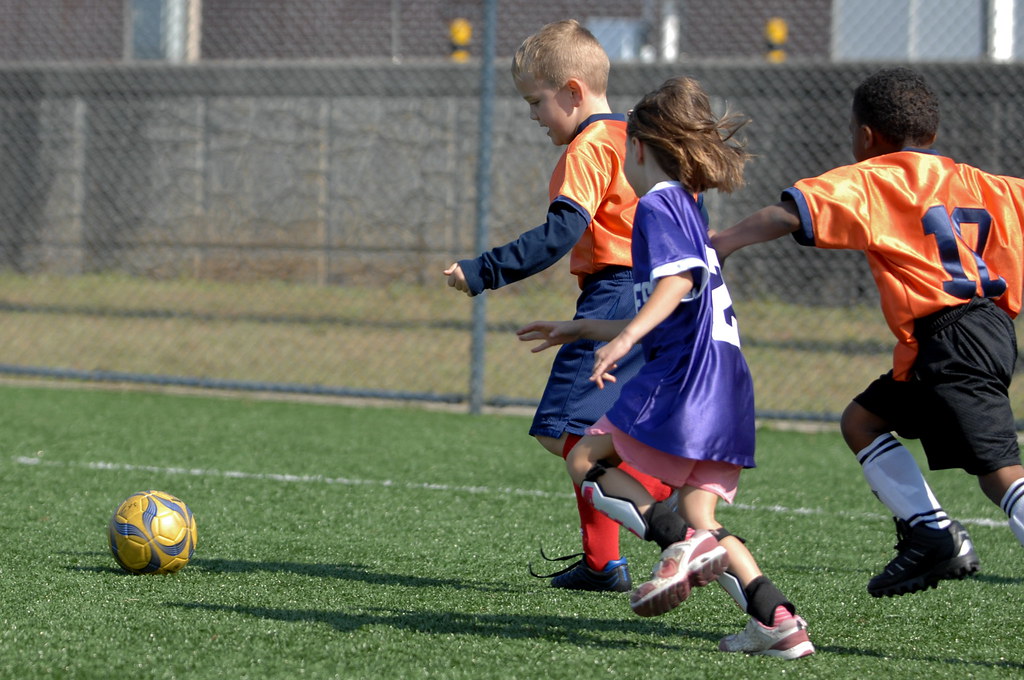
The Shift in Team Dynamics
Team sports have always relied on cooperation and synergy among players. However, the modern landscape is bringing new dimensions to how teams communicate and strategize. Here are some significant shifts to consider:
- Cross-Disciplinary Collaboration: Athletes from different sports are increasingly collaborating to share strategies and techniques, leading to innovative training methods.
- Focus on Mental Conditioning: Teams are placing greater emphasis on mental conditioning, recognizing that psychological resilience is as crucial as physical prowess.
- Decentralized Leadership: Traditional hierarchical team structures are giving way to decentralized leadership models, where input from all team members is valued equally.
Technological Advancements in Training
Technology continues to revolutionize the training landscape for team sports in 2026. Here are some noteworthy advancements:
- Virtual Reality (VR) Training: Teams are utilizing VR for simulated game scenarios, allowing players to practice decision-making in high-pressure environments without the physical strain of traditional practice.
- Wearable Technology: Wearables are now an integral part of training regimens. They provide real-time data on player performance, enabling coaches to make informed decisions on player health and strategy.
- AI-Driven Analytics: Artificial intelligence has transformed performance analysis, helping teams identify weaknesses in their games and develop tailored training programs.
Changes in Team Composition
The structure of teams is undergoing a transformation as teams look beyond traditional recruiting practices. Some of the notable changes include:
- Diversity and Inclusion: Teams are striving for a more diverse roster, bringing together athletes from varied backgrounds to enhance creativity and broaden perspectives.
- Emphasis on Versatility: Coaches are increasingly seeking multi-skilled athletes who can adapt to various positions and roles, enhancing team flexibility.
- Focus on Youth Development: Many professional teams are investing in youth academies to cultivate talent from an early age, ensuring a steady pipeline of skilled players.
Fan Engagement in Team Sports
The relationship between teams and their fans is more interactive than ever. Here are some key trends:
- Personalized Fan Experiences: Technology allows teams to offer customized experiences, from exclusive content to tailored merchandise, making fans feel more connected to their teams.
- Social Media Interaction: Teams are utilizing platforms like TikTok and Instagram to engage with fans, showcasing behind-the-scenes content and fostering a sense of community.
- Augmented Reality (AR) Experiences: AR is being adopted in stadiums, providing fans with immersive experiences that enhance their enjoyment of live games.
The Future of Team Strategy
As the game evolves, so too does strategic planning. Teams are embracing new methodologies:
- Data-Driven Decisions: Teams are relying heavily on data analytics to shape gameplay strategies, making informed choices based on player statistics and opponent tendencies.
- Adaptability During Games: Modern teams are trained to adapt their strategies mid-game, utilizing insights from real-time analytics to shift tactics and maintain a competitive edge.
- Collaborative Game Planning: Players are involved in strategic discussions, fostering a sense of ownership and investment in the team’s success.
Conclusion
The future of team sports in 2026 is marked by innovation, collaboration, and a commitment to inclusivity. As teams continue to adapt to changing landscapes, both on and off the field, the spirit of teamwork will remain at the core of athletic endeavors. By embracing new technologies and strategies, teams will not only enhance their performance but also strengthen the bond with their fans, ensuring a vibrant future for team sports.