Understanding Mental Resilience in Sports
The world of sports has always placed significant emphasis on physical strength and skill. However, as we venture further into 2026, it’s becoming increasingly clear that mental resilience is just as critical for an athlete’s success. Mental resilience encompasses the ability to cope with pressure, bounce back from setbacks, and maintain focus during high-stakes moments. This article explores how athletes and coaches are prioritizing mental strength as a vital component of training and performance.
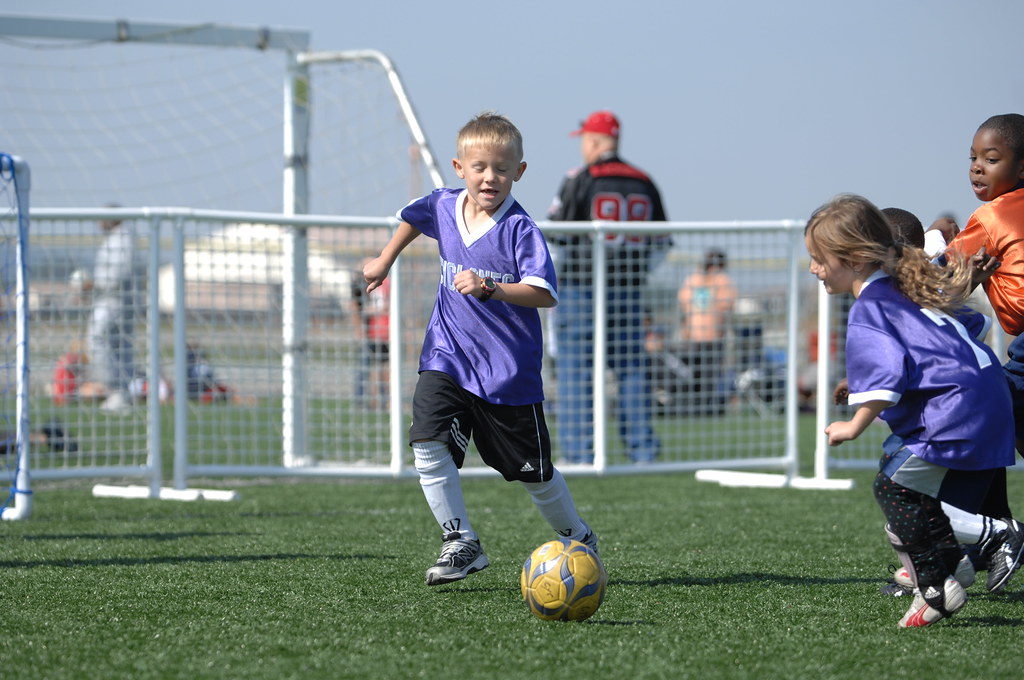
The Importance of Mental Training
As competitive sports evolve, the recognition of mental training has surged. Teams are now integrating mental coaching practices into their training regimens. The reasons for this shift are profound:
- Performance Under Pressure: Athletes often face intense pressures during competitions. Mental training helps them to manage anxiety and perform at their peak when it matters most.
- Overcoming Setbacks: Every athlete experiences defeats and disappointments. Building mental resilience equips them with the tools to recover and adapt, turning setbacks into learning experiences.
- Enhanced Focus: The ability to concentrate on the task at hand is essential in sports. Mental exercises promote better focus, allowing athletes to tune out distractions and remain in the moment.
Strategies to Build Mental Resilience
To cultivate mental resilience, athletes and coaches have been adopting various strategies:
- Mindfulness and Meditation: Practicing mindfulness techniques helps athletes stay present and reduces performance anxiety. Meditation sessions are now part of many training programs, enabling athletes to mentally recharge.
- Cognitive Behavioral Techniques: These techniques involve changing negative thought patterns that can hinder performance. Athletes are encouraged to challenge their self-doubt and replace it with positive affirmations.
- Visualization: This technique allows athletes to mentally rehearse their performances. By visualizing success, they’re better equipped to handle real-life scenarios on the field or court.
Case Studies of Successful Mental Resilience
Several athletes have emerged as champions of mental resilience, showcasing its effectiveness:
- Simone Biles: The gymnastics superstar has openly discussed her struggles with mental health, emphasizing the importance of prioritizing mental well-being. Her decision to step back during the Tokyo Olympics in 2021 highlighted the need for athletes to recognize their limits.
- Kevin Love: The NBA player has been a vocal advocate for mental health awareness in sports, sharing his own battles with anxiety and depression. Love’s work in this area has helped destigmatize mental health discussions within the athletic community.
- Naomi Osaka: The tennis champion has used her platform to advocate for mental health, particularly among young athletes. Osaka’s decision to withdraw from several tournaments to focus on her mental health has resonated with many.
The Role of Coaches and Organizations
Coaches and sports organizations play a crucial role in fostering a culture of mental resilience:
- Training Programs: Many sports organizations are developing comprehensive mental training programs that encompass various techniques to build resilience among athletes.
- Support Systems: Providing access to sports psychologists and mental health professionals is becoming a standard practice. These support systems ensure athletes have the necessary resources when facing mental challenges.
- Culture Shift: Coaches are encouraged to create environments that promote open discussions about mental health, making it easier for athletes to seek help when needed.
The Future of Mental Resilience in Sports
As we look to the future, the integration of mental resilience training in sports is expected to grow. Innovations in sports psychology, training techniques, and awareness are paving the way for stronger athletes who can handle adversity without compromising their mental health. Educational programs focused on this aspect could become a staple in sports curricula worldwide, ensuring that the next generation of athletes understands the importance of mental strength just as much as physical prowess.
Conclusion
In conclusion, the rise of mental resilience in sports is reshaping the athletic landscape in 2026 and beyond. The shift towards prioritizing mental strength alongside physical training signifies a holistic approach to athlete development. As we continue to recognize the immense pressures athletes face, fostering mental resilience will not only enhance performance but also promote overall well-being in the competitive sports arena.