Introduction
As we progress through 2026, the world of sports continues to evolve in unexpected ways. Among these shifts, the importance of community in sports has become a focal point, reshaping how teams, athletes, and fans connect. This article explores the multifaceted ways community influences the sports landscape today.
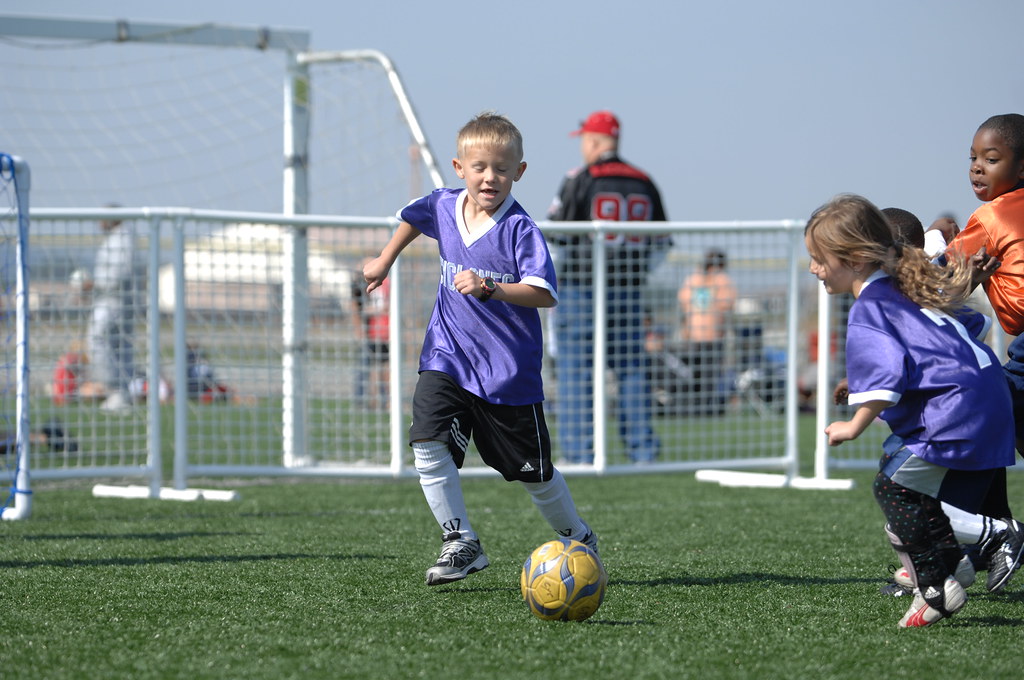
The Role of Community in Sports
Sports have always been more than just games; they serve as a unifying force that brings people together. Community involvement plays a pivotal role in various aspects of sports, contributing to a sense of belonging and identity.
1. Strengthening Local Teams
Local teams are often the heartbeat of communities, providing not just entertainment but also a source of pride. When communities rally behind their teams, it fosters a sense of unity and shared purpose.
- Support for Youth Programs: Local sports programs for youth encourage participation and nurture young talent, ensuring the next generation of athletes.
- Community Events: Organizing events such as charity games or local tournaments strengthens community ties and raises funds for important causes.
- Volunteer Opportunities: Communities often rely on volunteers to keep their teams running, creating bonds among participants and supporters.
2. Fan Engagement and Collective Identity
Modern technology enables fans to engage with their favorite teams and athletes like never before. Social media platforms have transformed the way fans interact, allowing for real-time communication and feedback.
- Social Media Fan Communities: Fans create online groups and forums where they share insights, experiences, and support for their teams.
- Fan Experiences: Teams are increasingly focusing on enhancing gameday experiences with interactive activities, bringing fans together in unique ways.
- Online Streaming and Accessibility: Fans who may not physically attend games can still participate in the community through virtual events and live streams.
3. Inclusivity and Diversity in Sports
A strong community is inclusive, allowing everyone to participate regardless of age, skill level, or background. Sports organizations are recognizing the need to foster inclusivity.
- Adaptive Sports: Programs for athletes with disabilities are gaining momentum, ensuring that everyone has the opportunity to participate.
- Women’s Leagues: The rise of female-centered leagues promotes women’s participation in sports, encouraging more girls and women to take part.
- Cultural Celebrations: Events that celebrate diverse cultures within sports create a more welcoming environment and enrich the overall experience.
Community Initiatives in Sports
Various initiatives are taking center stage in 2026, showcasing how communities are coming together to support local sports.
1. Grassroots Movements
Grassroots initiatives are vital in promoting sports at the community level. These movements enable people to connect through shared interests.
- Community Coaching Programs: Local coaches are being trained to mentor young athletes, ensuring that expertise and passion are passed down.
- Funding for Local Facilities: Communities are banding together to raise funds for better sports facilities, improving access for all.
- Collaborations with Schools: Partnerships with local schools encourage students to participate in sports, fostering a culture of athleticism from a young age.
2. Health and Wellness Programs
The link between sports and health is clearer than ever, with communities integrating sports into health and wellness initiatives.
- Community Fitness Events: Fun runs, cycling events, and sports clinics promote physical health and bring people together.
- Awareness Campaigns: Local sports teams often participate in campaigns addressing health issues, such as mental health awareness and healthy eating.
- Fitness Challenges: Organizing community-wide fitness challenges encourages participation and promotes healthy lifestyles.
3. Environmental Responsibility in Sports
Communities are also leading the charge in making sports more environmentally friendly, demonstrating the importance of sustainability.
- Green Initiatives: Local sports teams are adopting green practices, from recycling programs at events to sustainable facility designs.
- Community Clean-Up Events: Sports clubs often organize clean-up days to enhance local parks and fields, reinforcing community pride.
- Awareness through Sports: Teams use their platforms to advocate for environmental issues, encouraging fans to take part in sustainability efforts.
Conclusion
The future of sports in 2026 is deeply intertwined with community engagement. By fostering connections, promoting inclusivity, and prioritizing health and wellness, communities are reshaping the athletic landscape. As we look forward, it’s clear that the bonds created through sports will continue to strengthen and evolve, making athletics a powerful catalyst for positive change.