The Role of Sports in Community Building
In 2026, the landscape of sports continues to evolve, becoming not just a platform for athletic achievement but also a significant catalyst for community engagement and social interaction. From local leagues to international events, sports bring people together, fostering a sense of unity and belonging among diverse populations.
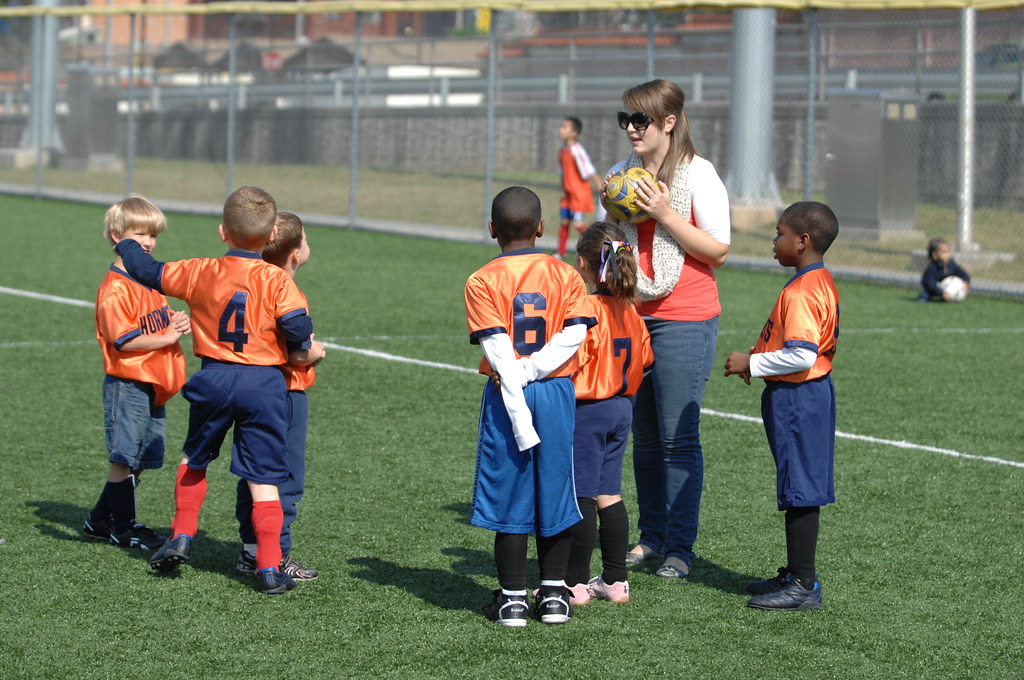
Creating Connections
Sporting events, whether big or small, create opportunities for individuals to connect. Fans gather in stadiums, parks, and living rooms to cheer for their teams, but the impact goes beyond just the game. These gatherings forge friendships and strengthen community ties.
- Local Empowerment: Community sports programs often rely on local volunteers, sponsors, and resources, enhancing local engagement.
- Support Networks: Teams create bonds among players, coaches, and families, forming a support network that extends beyond the field.
Inclusivity and Diversity in Sports
As society becomes increasingly inclusive, sports have adapted to embrace diversity. Many organizations now prioritize creating opportunities for underrepresented groups, ensuring everyone has a place in the sporting arena. In 2026, we see:
- Adaptive Sports: Increased focus on adaptive sports allows athletes with disabilities to compete and thrive, fostering inclusivity.
- Cultural Competence: Sports leagues are developing programs that accommodate and celebrate various cultures, making the sporting world more inclusive.
Sports as a Platform for Activism
In today’s world, athletes are using their platforms to advocate for social change. This trend is not just limited to individual athletes; entire teams and organizations are taking a stand. In 2026, sports activism manifests in various ways:
- Awareness Campaigns: Teams often collaborate with local charities and organizations to raise awareness about social issues, from health to education.
- Philanthropic Initiatives: Many professional athletes launch foundations aimed at giving back to their communities.
Engagement through Social Media
Social media plays a crucial role in sports activism. Athletes leverage platforms like Twitter, Instagram, and TikTok to share their messages, engage with fans, and mobilize communities.
The Economic Impact of Sports on Local Communities
In 2026, the economics of sports are more intertwined with community welfare than ever before. Local events can provide a substantial boost to local economies. Here’s how:
- Job Creation: Sporting events create jobs, ranging from event management to hospitality and retail.
- Local Tourism: Major sporting events attract tourists, bringing in revenue for local businesses.
Grassroots Development Programs
Grassroots programs are critical for nurturing young talent and instilling values such as teamwork and discipline. By investing in youth sports, communities lay the foundation for future athletic stars and committed citizens.
The Psychological Benefits of Team Sports
Participation in sports, particularly team sports, has significant psychological advantages. In 2026, understanding the mental aspects of sports can help communities create better programs:
- Building Confidence: Playing sports helps young athletes develop self-confidence and resilience.
- Promoting Mental Wellness: Sports can be a natural antidote to mental health issues, providing an outlet for stress relief and a supportive community.
Long-term Community Health
Long-term involvement in sports leads to healthier communities. Regular physical activity lowers health risks and encourages a culture of fitness. Sports programs that promote physical activity can significantly improve community health.
Future Trends in Community Sports
As we look ahead, several trends are emerging in the world of community sports:
- Technology Integration: The use of apps and digital platforms to facilitate registration, scheduling, and communication.
- Sustainable Practices: Sports organizations are adopting eco-friendly practices to reduce their carbon footprint.
- Focus on Mental Health: More programs are integrating mental health resources into their frameworks, ensuring athletes have access to necessary support.
Conclusion
In 2026, the role of sports in community life is more significant than ever. Athletic communities not only promote physical health but also foster social connections, inclusivity, and economic growth. By investing in sports at all levels, communities can continue to build a strong social fabric that benefits everyone.