Introduction
In 2026, the role of youth sports has evolved beyond mere competition. Today, they serve as a vital platform for personal development, teaching essential life skills that extend far beyond the playing field. As more parents and educators recognize the multifaceted benefits of youth sports, it’s important to explore how athletic participation shapes young individuals into well-rounded adults.
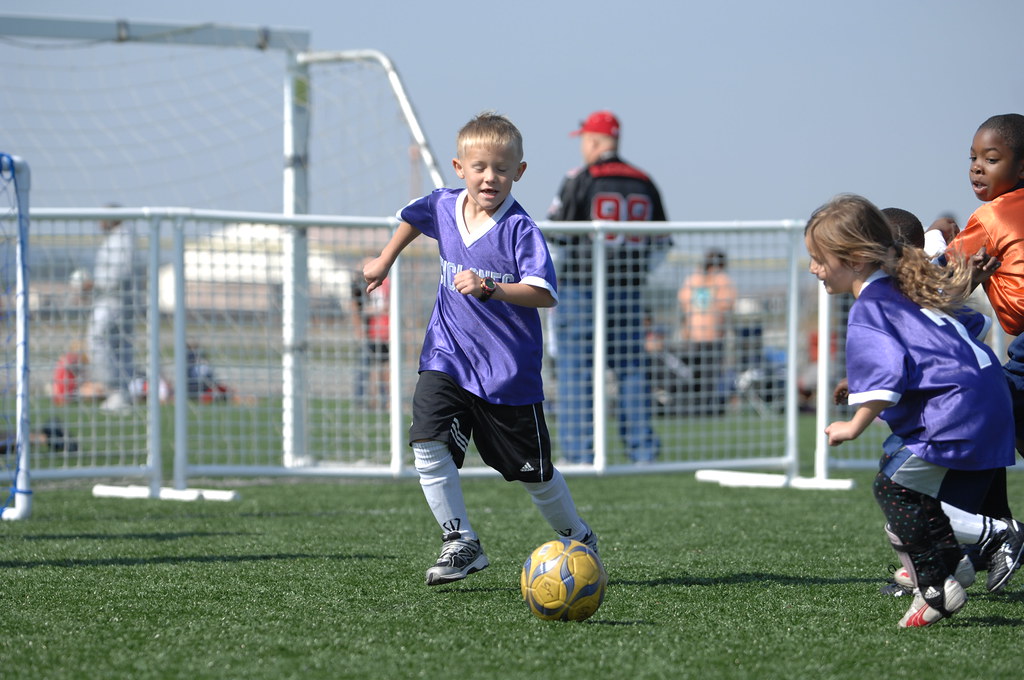
The Lifelong Benefits of Youth Sports
Engaging in sports during formative years offers numerous benefits. From building physical fitness to fostering teamwork, the advantages are extensive:
- Physical Health: Regular participation in youth sports promotes an active lifestyle, which helps combat obesity and other health issues.
- Social Skills: Team sports encourage communication and collaboration, teaching children how to work effectively with others.
- Discipline and Time Management: Balancing practice, games, and schoolwork instills a strong sense of discipline and the ability to manage one’s time effectively.
- Self-Confidence: Achievements in sports, no matter how small, can significantly boost self-esteem and confidence in young athletes.
- Resilience: Facing challenges—be it winning or losing—teaches children to bounce back and try again, a skill that is invaluable throughout life.
Building Community Through Youth Sports
Youth sports are not just about the athletes; they also create a sense of community. Local leagues and school teams bring together children from diverse backgrounds, fostering friendships and understanding.
Creating Connections
Through involvement in sports, young athletes connect with peers, coaches, and families, forming bonds that often last a lifetime. These connections can lead to:
- Support Networks: Families come together to support their children, creating a tight-knit community.
- Cultural Exchange: Diverse teams promote cultural understanding and acceptance among athletes.
- Community Pride: Local teams foster a sense of pride within neighborhoods and towns, as everyone rallies behind their young athletes.
The Shift Towards Inclusive Youth Sports
In recent years, there has been a significant push towards inclusive youth sports. This movement ensures that children of all abilities and backgrounds can participate, promoting equality and diversity.
Adaptive Sports Programs
Adaptive sports programs are making waves in 2026, providing opportunities for children with disabilities. These initiatives emphasize:
- Equal Opportunities: All children deserve the right to play, regardless of their physical or cognitive abilities.
- Awareness and Education: Such programs educate young athletes about inclusivity, empathy, and acceptance.
- Improved Skills: Adaptive sports help children develop skills they might not have had the chance to explore otherwise.
The Future of Youth Sports
As we move further into the 21st century, the landscape of youth sports will continue to change. Emerging technologies and new training methodologies will shape how young athletes train and compete.
Embracing Technology
From wearable fitness trackers to virtual training environments, technology is transforming youth sports:
- Data-Driven Training: Coaches can utilize analytics to tailor training programs to meet individual athlete needs.
- Virtual Coaching: Remote training options are making high-quality coaching more accessible.
- Injury Prevention: Advances in sports science can help young athletes avoid injuries and prolong their participation in sports.
Conclusion
The role of youth sports in personal development is profound. As we celebrate the myriad benefits that come from participation, it is crucial to continue advocating for inclusivity and innovation in athletic programs. By investing in youth sports today, we are nurturing the leaders of tomorrow—individuals who will carry the lessons of teamwork, discipline, and resilience throughout their lives.