The Importance of Lifelong Skills in Sports
In today’s fast-paced world, the benefits of participating in sports extend far beyond physical fitness. As we progress through 2026, the intersection of sports and personal development has become increasingly relevant. Engaging in athletic activities is proven to cultivate essential lifelong skills that contribute to success in various aspects of life.
What Are Lifelong Skills?
Lifelong skills are competencies that individuals develop over time, enabling them to navigate personal and professional challenges effectively. These skills include:
- Teamwork: Collaborating with others towards common goals.
- Leadership: Taking initiative and guiding others in group settings.
- Resilience: Bouncing back from setbacks and maintaining determination.
- Time Management: Balancing commitments in practice and competition with other life responsibilities.
- Communication: Effectively expressing thoughts and understanding others in diverse scenarios.
The Influence of Sports on Lifelong Skills
Participating in sports provides a practical avenue for individuals to cultivate these skills. Here’s how:
1. Teamwork and Collaboration
In team sports, athletes learn the importance of working together towards a unified objective. Whether on the basketball court or the soccer field, the success of a team hinges on collaboration. Through practice and games, players develop a sense of trust and camaraderie, enhancing their ability to work with others in their personal and professional lives.
2. Leadership Development
Sports naturally create opportunities for leadership. Captains and senior players often take charge, but even team members can step up in various situations. By assuming leadership roles, athletes learn decision-making, conflict resolution, and motivating others—skills that are transferable to the workplace and community engagement.
3. Building Resilience
Failure is an inevitable part of sports. Learning to cope with losses and setbacks fosters resilience. Athletes develop the understanding that setbacks are part of the journey towards success. This lesson translates to everyday life, helping individuals face challenges with a positive mindset.
4. Mastering Time Management
Balancing sports, academics, and social life requires effective time management. Athletes often create schedules to ensure they meet their commitments. This skill is invaluable as it helps individuals prioritize tasks and make the most of their time in their careers and personal pursuits.
5. Enhancing Communication Skills
Successful sports teams thrive on communication. Players must convey strategies, provide feedback, and support one another. Through these interactions, individuals refine their ability to communicate clearly and effectively, a skill essential in all aspects of life.
Real-Life Examples of Lifelong Skills in Sports
Examining real-life examples from 2026 can shed light on how sports have fostered lifelong skills in various individuals:
- Professional Athletes: Players like Naomi Osaka and LeBron James demonstrate leadership and resilience both on and off their respective courts, advocating for social change while navigating the complexities of their careers.
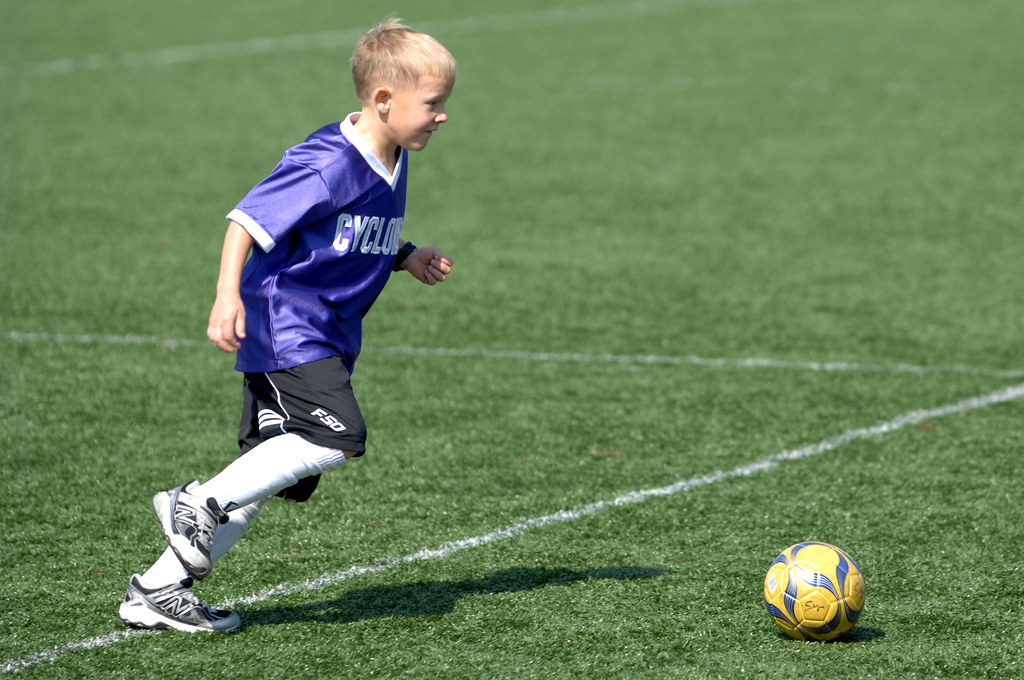
- Community Sports Programs: Local initiatives, such as youth soccer leagues, often emphasize teamwork and communication, equipping young players with skills that enhance their personal development and future job prospects.
- Recreational Leagues: Adult leagues provide opportunities for social interaction and collaboration, helping individuals hone their teamwork and communication skills while enjoying physical activity.
The Future of Sports and Lifelong Skills Development
As we move further into 2026, the emphasis on sports as a framework for skill development is likely to grow. Schools and community organizations are increasingly integrating sports into their curricula to promote holistic development. Here are a few trends to watch:
- Increased Focus on Soft Skills: Educational programs are recognizing the importance of soft skills and incorporating sports into their curricula to teach values like leadership and resilience.
- Digital Training Platforms: The rise of technology allows for virtual coaching and skill development, making training accessible and engaging for various age groups.
- Community Engagement: Sports organizations are likely to foster partnerships with local businesses to create programs that highlight the importance of skills developed through athletics.
Conclusion
In conclusion, the role of sports in enhancing lifelong skills is undeniable. As we continue through 2026, embracing athletic activities can provide valuable experiences that shape individuals into well-rounded members of society. Encouraging participation in sports—whether at a competitive or recreational level—will not only promote physical health but also foster essential skills that last a lifetime.