Introduction
As we navigate through 2026, the world of sports continues to evolve, impacting not just the realm of athletics but also the very fabric of our identity and community. Sports serve as a platform for personal growth, social connection, and cultural exchange, playing a vital role in shaping who we are today.
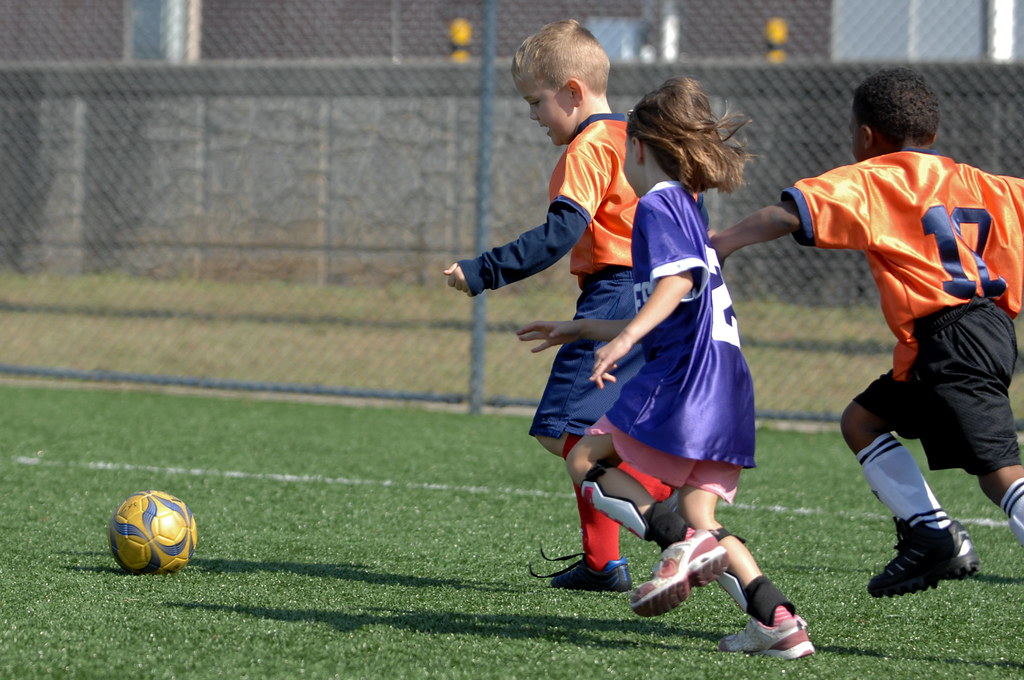
The Power of Personal Identity in Sports
Engaging in sports goes beyond physical activity; it is intricately tied to personal identity. Here are some ways sports contribute to self-awareness and individual growth:
- Building Confidence: Participation in sports can significantly boost an individual’s confidence. Achievements on the field, whether big or small, foster a sense of accomplishment that translates to other areas of life.
- Defining Values: Sports often instill values such as teamwork, discipline, and perseverance. These values help shape character and influence personal decision-making.
- Coping Mechanism: For many, sports serve as an outlet for stress and anxiety. The physical exertion involved in sports can enhance mental well-being, allowing individuals to manage life’s pressures more effectively.
Community Engagement Through Sports
The connection between sports and community cannot be underestimated. Local teams and sporting events foster a sense of belonging and unity. Here’s how sports bring people together: Also read: ajo89 for more insights.
- Creating Local Legends: Community teams often cultivate local heroes. The stories of athletes from small towns can inspire pride and encourage community involvement.
- Fostering Inclusivity: Sports are increasingly becoming spaces that welcome diversity. Initiatives aimed at involving underrepresented groups promote inclusivity, making sports a vehicle for social change.
- Strengthening Neighborhood Ties: Local sports events unite residents, encouraging social interaction and collaboration. These gatherings often initiate conversations and forge friendships that might not have occurred otherwise.
The Role of Technology in Shaping Sports Identity
Technological advancements are transforming how individuals engage with sports, influencing personal identity and community relationships:
- Wearable Technology: Devices that track performance and health metrics allow athletes to set personal goals and achieve them, creating a deeper connection to their sporting identity.
- Social Media Engagement: Platforms such as Instagram and TikTok enable athletes to share their journeys, inspiring others and cultivating community online.
- Virtual Communities: Online sports forums and e-sports communities allow individuals to connect with others who share similar interests, regardless of geographical boundaries.
Sports as a Tool for Change
In 2026, many athletes and organizations are leveraging their platforms for social advocacy. This shift has profound implications for personal and community identity:
- Advocacy and Awareness: Athletes are using their visibility to raise awareness about critical social issues, prompting fans to engage in meaningful conversations and action.
- Charitable Initiatives: Many sports organizations are partnering with nonprofits to promote community welfare, showcasing how sports can drive positive change.
- Environmental Awareness: As sustainability becomes a focus, sports organizations are adopting eco-friendly practices, reflecting a community’s collective identity and values.
Conclusion
The influence of sports on personal identity and community bonds in 2026 is evident. As sports continue to evolve, they serve as powerful vehicles for individual growth and societal connection. By understanding and embracing these transformative effects, we can foster a more inclusive, engaged, and empowered global community.