The Current Landscape of Youth Sports
As we approach the end of 2026, the world of youth sports is evolving rapidly. With an increasing number of children participating in organized athletic activities, the landscape has become more competitive and diverse. Parents, coaches, and organizations are all adapting to changes in how sports are played, taught, and enjoyed by young athletes.
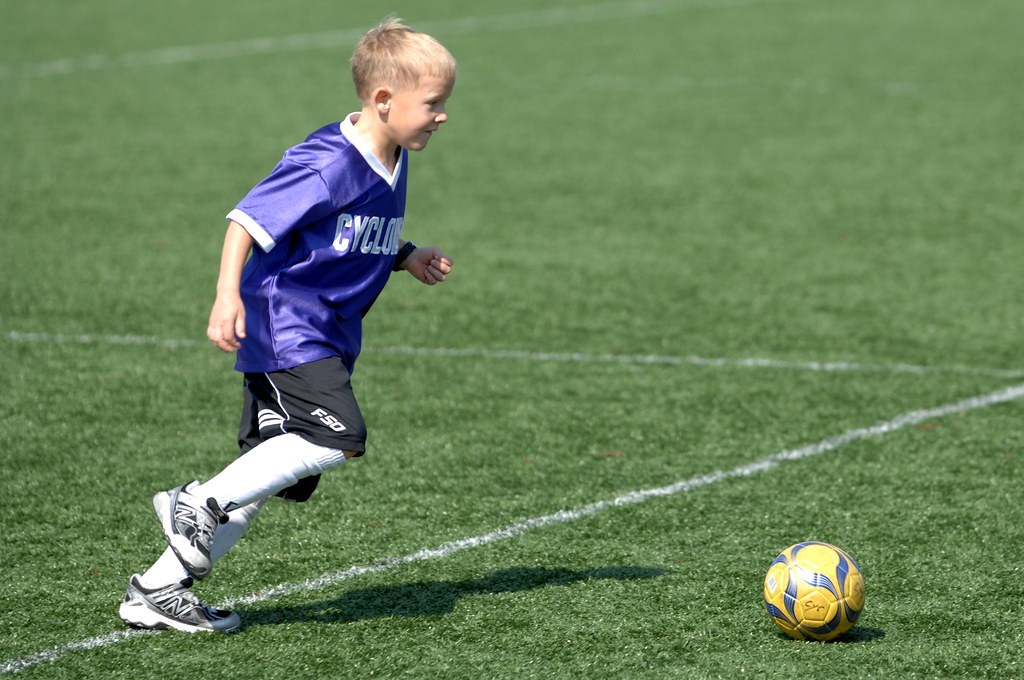
The Importance of Early Engagement
Research consistently shows that early engagement in sports has lasting benefits for children. Not only does it promote physical health, but it also fosters essential life skills such as teamwork, discipline, and resilience. In 2026, more communities are recognizing the value of introducing sports at a younger age, with many youth programs springing up across the globe.
Trends Shaping Youth Sports
- Increased Focus on Inclusivity: Many sports organizations are making a conscious effort to be more inclusive, catering to children of all abilities. Adaptive sports programs are gaining traction, providing opportunities for every child to participate and thrive.
- Technological Integration: Technology is becoming an integral part of youth sports, with apps and devices that track performance, monitor health, and facilitate training. Coaches are using data analytics to tailor training programs to individual needs, enhancing the athletic experience.
- Emphasis on Mental Health: The conversation around mental health in sports is gaining momentum. Coaches and organizations are increasingly prioritizing the emotional well-being of young athletes, implementing programs aimed at reducing stress and anxiety associated with competition.
- Community Engagement: Families are recognizing the importance of community support in youth sports. Local tournaments, fundraising events, and volunteer opportunities are on the rise, helping to cultivate a sense of belonging among young athletes and their families.
- Greater Emphasis on Skill Development: There is a growing trend towards skill-based training rather than just competition. Many youth leagues are focusing on building fundamental skills, allowing players to develop at their own pace, which helps to mitigate the pressure of winning.
Addressing the Challenges of Youth Sports
While the future of youth sports looks promising, there are significant challenges that need to be addressed. Over-scheduling, burnout, and the pressure to excel can have adverse effects on young athletes. Coaches, parents, and organizations must work together to create a balanced approach that nurtures passion for the sport rather than merely chasing accolades.
Creating a Positive Environment
Fostering a positive environment in youth sports is crucial for long-term engagement. Coaches and parents should prioritize enjoyment and personal growth over winning. Emphasizing fun, teamwork, and individual improvement can lead to a more fulfilling experience for young athletes.
The Role of Coaches
Coaches are at the forefront of youth sports, playing a pivotal role in shaping athletes’ experiences. In 2026, there is a heightened focus on coach training and development, with many organizations providing resources to cultivate effective coaching styles that emphasize positive reinforcement and mentorship.
Looking Ahead: The Future of Youth Sports
As we look to the future, the youth sports landscape will continue to evolve. The interplay between technology, inclusivity, and mental health awareness will shape how we understand and engage with youth athletics. By 2030, it is likely that the structure of youth sports will reflect a more holistic approach, prioritizing not only skill development but also emotional and social growth.
Conclusion
The future of youth sports in 2026 is bright, marked by inclusive practices, technological advancements, and a strong emphasis on mental health. By continuing to adapt and innovate, we can ensure that sports remain a positive and enriching experience for young athletes for years to come.