The Cultural Significance of Sports
In 2026, sports are no longer just games; they are a pivotal part of cultural identity, community bonding, and societal values. From local leagues to international events, the impact of athletics on society is profound and ever-evolving.
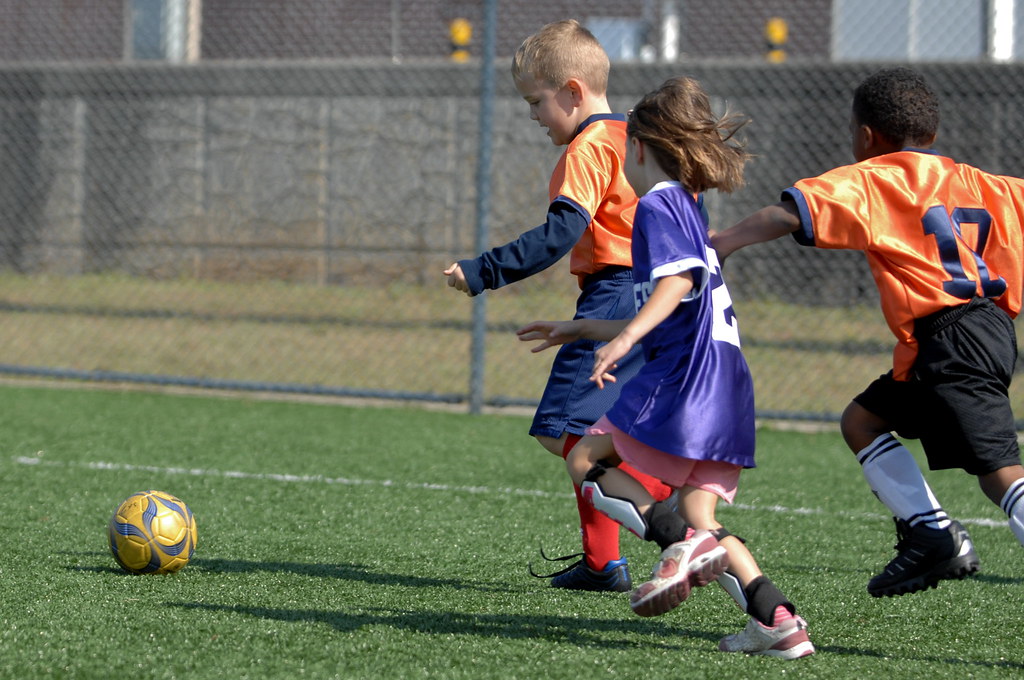
Building Communities Through Sports
One of the most significant aspects of sports is its ability to bring people together. Communities are often built around local teams, fostering a sense of belonging among fans and participants alike. This communal spirit is especially visible during:
- Local tournaments: Events that attract families and friends, encouraging interaction.
- School sports: Activities that create pride and unity among students, teachers, and parents.
- Volunteer events: Opportunities for community service, where sports clubs often lead initiatives like clean-up days or fundraising events.
Sports as a Reflection of Societal Values
Sports often reflect the broader societal values and issues of the time. In 2026, several trends highlight how athletics serve as a mirror to our culture:
- Diversity and Inclusion: There’s a growing emphasis on inclusivity in sports. Events like the Paralympics and initiatives supporting minority athletes bring attention to equality.
- Environmental Responsibility: Many sporting events in 2026 are taking strides toward sustainability, emphasizing eco-friendly practices in hosting tournaments.
- Health and Wellness: As public awareness around health grows, sports are increasingly seen as a vehicle for promoting physical and mental wellness.
Media and Sports: A Powerful Partnership
The relationship between sports and media continues to evolve. In 2026, social media platforms and streaming services are key players in how sports are consumed:
- Immediate Access: Fans can watch games live, access highlights, and interact with athletes in real-time.
- Global Reach: A local team can attract worldwide followers, breaking geographical barriers that traditionally limited fan bases.
- Influencer Impact: Athletes are now seen as influencers, shaping opinions and trends within their communities.
The Role of Youth in Shaping the Future of Sports
Younger generations are pivotal in transforming the landscape of athletics. Their involvement in sports is driving new trends:
- Social Engagement: Youth are increasingly involved in community outreach through sports, using their platforms for advocacy.
- Innovation in Play: The preferences of young athletes encourage the development of new sports, gadgets, and training techniques.
- Focus on Mental Health: There’s a burgeoning awareness of the importance of mental health, leading to programs designed to support young athletes both on and off the field.
The Global Perspective of Sports Culture
As we look to 2026, the globalization of sports plays a crucial role in cultural exchange. Different nations bring their unique sports and traditions to the global stage, enriching the athletic landscape:
- Cultural Festivals: International sporting events that also celebrate local cultures through food, music, and art.
- Cross-Cultural Training Camps: Where athletes from different backgrounds come together, sharing techniques and philosophies.
- Global Sponsorships: Companies are increasingly investing in sports that reflect global values, such as sustainability and diversity.
Conclusion: The Promise of Sports in Society
The cultural impact of sports in 2026 is profound, influencing everything from community bonding to global conversations around important societal issues. As athletes continue to inspire change and promote connection, the world of sports remains a vital thread in the fabric of society.