Introduction
As we navigate through 2026, the world of sports continues to evolve, not just in terms of physical performance but in the mental aspects that drive athletes to excel. Sports psychology has emerged as a pivotal discipline helping athletes unlock their full potential. Understanding the psychological factors influencing performance is now considered as important as physical training.
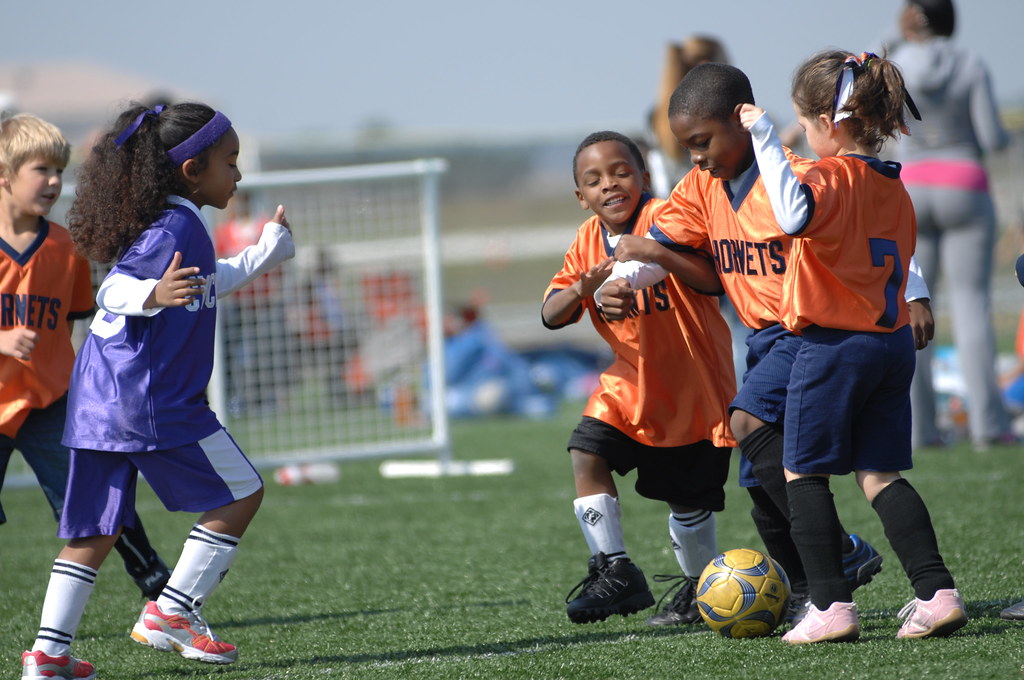
The Importance of Sports Psychology
Sports psychology is the study of how psychological factors affect performance in sports and how participation in sports and exercise affect psychological and physical factors. Here are some reasons why it’s vital in today’s competitive environment:
- Mental Resilience: Athletes face numerous pressures, from performance anxieties to injuries. Sports psychology helps them build resilience.
- Focus and Concentration: Maintaining focus during competitions is crucial. Psychological techniques enhance an athlete’s concentration levels, preventing distractions.
- Motivation: Understanding what drives an athlete can help them stay motivated even during tough times.
Key Psychological Strategies
There are several strategies and techniques employed by athletes and coaches today:
1. Goal Setting
Setting clear, measurable, and achievable goals can significantly impact an athlete’s performance. SMART goals (Specific, Measurable, Achievable, Relevant, Time-bound) are frequently used in sports psychology.
2. Visualization Techniques
Visualization, or mental imagery, is a technique that enables athletes to imagine themselves successfully performing their sport. This practice can enhance confidence and reduce performance anxiety. Also read: gan89 for more insights.
3. Positive Self-Talk
Engaging in positive self-talk can combat negative thoughts that may arise during competitions. This self-affirmation can improve self-esteem and foster a winning mindset.
Case Studies: Successful Applications
Examining real-world examples illustrates how sports psychology has transformed athletes’ careers:
- Michael Phelps: The legendary swimmer used visualization techniques to prepare for his races, often picturing himself winning gold.
- Simone Biles: Biles has openly discussed her mental health challenges and how consulting with a sports psychologist helped her overcome these hurdles to achieve success.
The Future of Sports Psychology
As we look towards the future, sports psychology will only become more integrated into athletic training. Here are some anticipated trends:
- Increased Accessibility: With the advancement of technology, mental coaching will become more accessible to athletes at all levels, from amateurs to professionals.
- Integration with Technology: Wearable technology will increasingly provide insights into an athlete’s mental state, enabling real-time psychological feedback.
- Focus on Youth Athletes: As parents and coaches recognize the importance of mental health, youth sports programs will likely incorporate sports psychology training.
Conclusion
In conclusion, understanding sports psychology is essential for athletes aiming to achieve their fullest potential in 2026 and beyond. By integrating psychological strategies into their training, athletes can enhance their performance on the field, promote mental well-being, and sustain a lifelong passion for their sport. The continued growth of this field promises to reshape athletic training, ensuring that the mind is nurtured just as much as the body.