The Importance of Community Sports
In 2026, the landscape of sports has seen a significant shift towards community-based initiatives. Community sports are more than just recreational activities; they play a crucial role in building connections among individuals, improving physical health, and enhancing overall well-being.
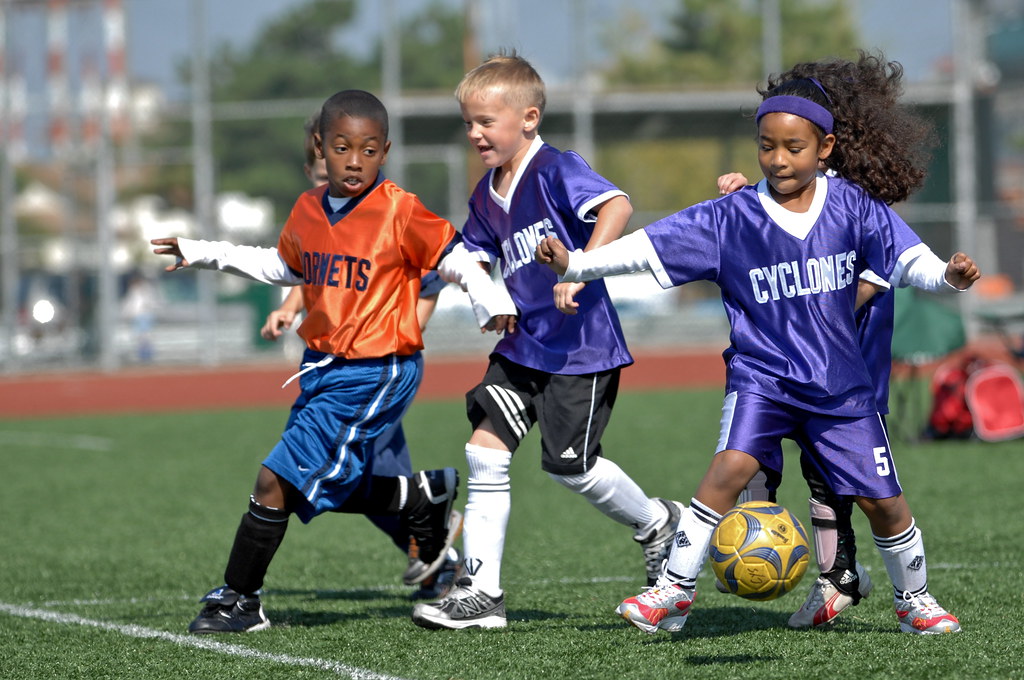
What Are Community Sports?
Community sports refer to organized athletic activities that are accessible to local residents, typically involving various age groups and skill levels. These activities promote not only physical fitness but also social interaction and inclusion.
The Benefits of Community Sports Programs
- Physical Health: Community sports provide opportunities for regular physical activity, which is essential for maintaining a healthy lifestyle and preventing chronic illnesses.
- Social Interaction: These programs foster friendships and connections among participants, helping to combat feelings of isolation and loneliness.
- Skill Development: Community sports often cater to individuals of all skill levels, providing a platform for learning and improvement.
- Inclusivity: Community sports initiatives often aim to include underrepresented groups, promoting equality in access to sports.
- Economic Impact: Local sports events can stimulate local economies by attracting visitors and creating jobs.
Current Trends in Community Sports
As we enter the latter part of 2026, several trends are shaping the future of community sports:
- Increased Participation: More individuals are joining community sports programs than ever before, driven by heightened awareness of health benefits and a desire for social engagement.
- Integration with Technology: Technology has started to play a more significant role in community sports, with apps and platforms that help organize events, track performance, and connect participants.
- Focus on Diversity: Community sports organizations are increasingly dedicated to inclusivity, creating programs that cater to various demographics and abilities.
- Sustainability Initiatives: Many community sports programs are adopting environmentally friendly practices, such as using sustainable materials for uniforms and equipment.
How to Get Involved
Participating in community sports is easier than ever. Here are several ways you can find and join local programs:
- Local Recreation Centers: Most towns have recreation centers that offer various community sports programs, from soccer leagues to yoga classes.
- Online Platforms: Websites and social media groups focused on local sports can connect you with nearby teams or events.
- Community Events: Keep an eye out for local events that showcase sports opportunities, like fairs or community block parties.
The Future of Community Sports
The future of community sports looks promising as more individuals recognize the benefits of participation. As we move through 2026, we can expect to see:
- Greater Investment: Local governments and organizations are expected to invest more in community sports facilities and programs.
- Collaboration: Partnerships between schools, local businesses, and community organizations will likely grow, enhancing the reach and quality of sports programs.
- Advocacy for Access: Continued advocacy efforts aimed at providing equal access to sports for all demographics will likely shape future community initiatives.
Conclusion
Community sports not only enhance physical health but also foster social connections and inclusivity. As we embrace the trends and changes in 2026, the growing emphasis on community engagement through sports will create an environment where everyone can participate, grow, and thrive together.