The Importance of Sports in Education
In 2026, sports have transcended their traditional role in entertainment and competition to become a crucial component of education. Schools and universities are increasingly recognizing that participation in sports can foster critical life skills, teamwork, and resilience among students. This article explores how the integration of sports into educational programs is shaping the future of learning.
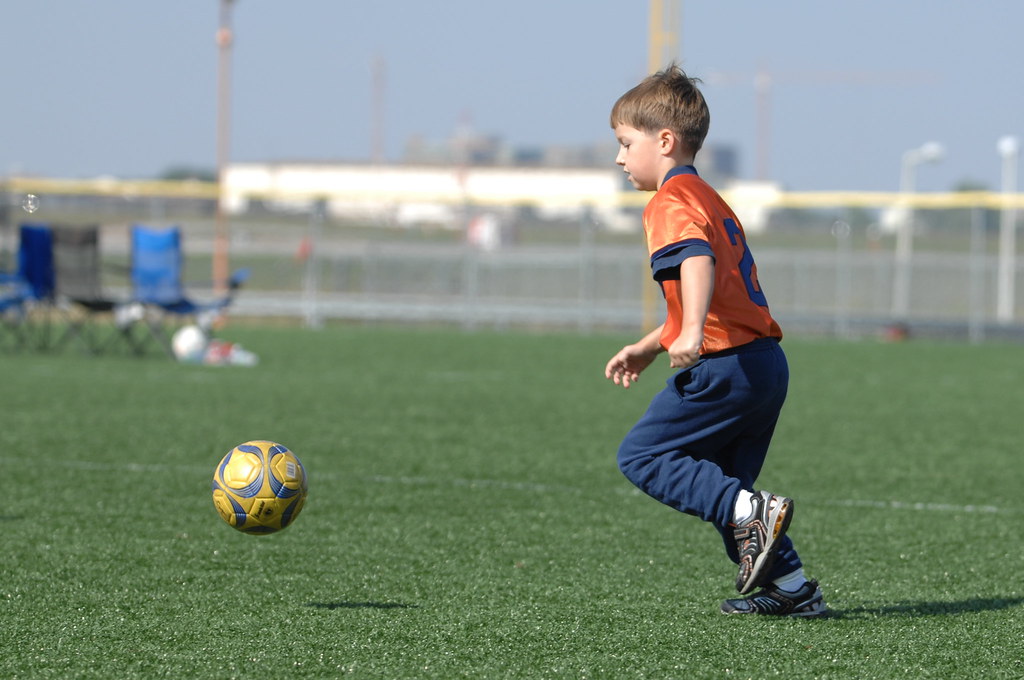
Building Character Through Athletics
Engaging in sports teaches students valuable lessons that extend beyond the playing field. Here are some key character traits developed through athletic participation:
- Leadership: Team sports often require individuals to take on leadership roles, fostering confidence and decision-making skills.
- Resilience: Athletes learn to cope with both victories and defeats, building mental toughness and the ability to overcome challenges.
- Discipline: Regular training and commitment to a sport instill a sense of discipline that is beneficial in academic pursuits.
- Teamwork: Cooperation with teammates promotes social skills and the ability to work collaboratively with others.
Enhancing Physical Health
Integrating sports into the educational framework significantly contributes to the physical well-being of students. With rising concerns about childhood obesity and sedentary lifestyles, schools have adopted more robust physical education programs that emphasize regular physical activity. Here’s how sports promote health:
- Physical Fitness: Regular participation in sports helps maintain a healthy weight and improves overall fitness levels.
- Mental Health: Physical activity is known to reduce anxiety, depression, and stress levels, enhancing emotional well-being.
- Social Connections: Team sports create opportunities for friendships and social interactions, which are essential for mental health.
The Shift Towards Inclusivity
In recent years, there has been a significant shift towards inclusivity in sports programs across educational institutions. Schools are increasingly focused on making sports accessible to all students, regardless of their ability or background. Here are some ways inclusivity is being promoted: Also read: wak89 for more insights.
- Adaptive Sports Programs: Many schools now offer adaptive sports that cater to students with disabilities, ensuring everyone has the opportunity to participate.
- Gender Equality: Institutions are working to provide equal opportunities for female athletes, promoting gender equality in sports.
- Community Engagement: Schools partner with local organizations to encourage diverse participation in sports, uniting different cultural backgrounds.
Leveraging Technology in Sports Education
The integration of technology in sports education has transformed how athletes train and compete. In 2026, schools are incorporating various tech tools to enhance the sports experience:
- Wearable Devices: Athletes use wearables to monitor their performance and health metrics, allowing for personalized training regimens.
- Virtual Coaching: Online platforms provide access to expert coaching, helping students refine their skills even when they cannot be on the field.
- Analytics: Data analytics are being utilized to track performance and identify areas for improvement, making training more efficient.
Career Pathways in Sports
As sports continue to evolve, educational institutions are adapting their curricula to prepare students for future careers in the sports industry. Here are some pathways being explored:
- Sports Management: Programs focusing on the business and management aspects of sports are gaining popularity, equipping students with essential skills.
- Sports Medicine: Courses in sports medicine prepare students for healthcare careers related to athletics, emphasizing injury prevention and rehabilitation.
- Coaching and Training: Students can pursue degrees focused on coaching, sports science, or athletic training, preparing them to lead future generations of athletes.
The Future of Sports in Education
Looking ahead, the role of sports in education is expected to expand further. As the world continues to recognize the importance of physical health, the educational landscape will likely incorporate more innovative methods to engage students in athletics. This could include:
- Curriculum Integration: Integrating sports concepts into academic learning, promoting a more holistic approach to education.
- Global Competitions: Schools may participate in international sporting events, fostering cultural exchange and broadening students’ horizons.
- Sustainability Initiatives: Schools may implement eco-friendly practices in sports to teach students the importance of sustainability in athletics.
Conclusion
In 2026, the fusion of sports and education is proving to be a powerful force in shaping future generations. By promoting physical health, inclusivity, and valuable life skills, sports are helping create well-rounded individuals ready to face the challenges of the modern world. Educational institutions must continue to embrace and innovate within this sphere to maximize the benefits sports can offer to students.