The Changing Face of Sports Communities
As we navigate through 2026, the landscape of sports communities is undergoing significant transformation. This evolution is not just about sports; it’s about how individuals connect, share experiences, and foster relationships through athletic engagement. From grassroots initiatives to online platforms, the way communities rally around sports is redefining both local and global interaction.
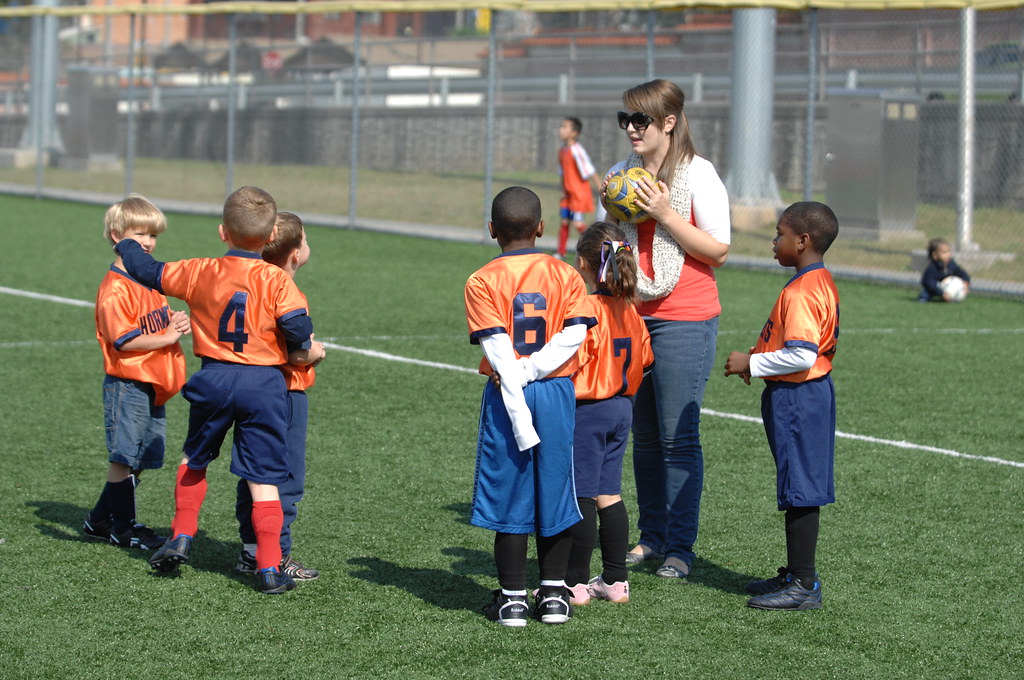
The Rise of Local Sports Clubs
In recent years, a resurgence in local sports clubs has been observed. These clubs serve as vital hubs for individuals to come together, engage in physical activity, and cultivate friendships.
- Community Involvement: Local clubs actively involve residents, encouraging participation across various age groups and skill levels.
- Support for Young Athletes: Many clubs now offer programs aimed at nurturing young talent, providing a pathway for aspiring athletes to develop their skills.
- Social Interaction: Beyond sports, these local clubs foster social connections, hosting events that strengthen community ties.
Digital Platforms: Connecting Fans Worldwide
The digitization of sports communities has transformed how fans engage with their favorite teams and athletes. Social media and dedicated sports platforms allow fans to connect globally.
- Fan Engagement: Platforms like Instagram, TikTok, and Twitter enable fans to interact with athletes, share content, and participate in discussions about their favorite sports.
- Virtual Events: Online events, ranging from live streams to virtual meet-and-greets, have made it easier for fans to feel a part of the action, regardless of their geographic location.
- Diverse Communities: Digital spaces have fostered niche communities centered around specific sports, interests, and identities, promoting inclusivity.
The Role of Youth Sports Programs
In 2026, youth sports programs have become crucial in shaping the future of sports communities. These programs not only develop athletic skills but also emphasize life lessons.
- Teamwork and Leadership: Participation in youth sports teaches valuable skills such as teamwork, leadership, and resilience.
- Inclusion: Programs increasingly focus on inclusivity, ensuring that children from diverse backgrounds can participate and thrive.
- Health and Wellness: Active participation in sports helps combat childhood obesity and promotes a lifelong commitment to health and fitness.
Women in Sports Communities
As we look into 2026, the involvement of women in sports communities is more prominent than ever. Female athletes and fans are reshaping the sporting landscape.
- Increased Visibility: Women’s sports leagues, such as the WNBA and NWSL, are gaining substantial media coverage and fan support.
- Empowerment: Female athletes serve as role models, inspiring a new generation of girls to engage in sports and pursue athletic careers.
- Community Support: Women’s sports programs emphasize building supportive environments where female athletes can excel and connect.
The Impact of Technology on Sports Communities
Technological advancements are not just improving athletic performance; they are also enhancing community interaction.
- Smart Wearables: Devices that track health metrics help athletes and coaches make informed decisions about training and recovery.
- Online Coaching: Virtual coaching platforms enable athletes to receive training and feedback from experts, regardless of location.
- Data Analysis: Communities can now analyze data from local sports events to learn from performance trends and improve future strategies.
Challenges Facing Sports Communities
While there are numerous benefits to the evolving sports community landscape, challenges remain. Addressing these issues is essential for fostering inclusive and healthy environments.
- Accessibility: Ensuring equal access to sports facilities and communities for all demographics is a continued struggle.
- Funding: Many local sports programs face financial constraints, limiting their ability to provide quality training and resources.
- Safety Concerns: Issues like injury prevention and mental health awareness are paramount as communities navigate engagement protocols.
Future Directions for Sports Communities
Looking forward, the potential for sports communities to flourish is vast. Future initiatives may include:
- Increased Collaboration: Partnerships between local governments, businesses, and schools could enhance funding and support for community sports.
- Focus on Mental Health: Programs may increasingly prioritize mental health, helping athletes manage stress and pressure.
- Sustainability Initiatives: Community sports events might incorporate eco-friendly practices, promoting awareness around environmental responsibility.
Conclusion
The evolution of sports communities in 2026 reflects a broader trend of inclusivity and connectivity. As local clubs, digital platforms, and youth programs transform how people come together through athletics, the essence of community is being redefined. Whether through grassroots engagement or global fan interactions, the spirit of sports continues to unite and inspire. Emphasizing empowerment, health, and connectivity, the future looks bright for sports enthusiasts of all backgrounds.