The Transformative Power of Youth Sports
Youth sports have always been more than just a game. They provide essential life skills, foster teamwork, and instill discipline among young athletes. As we navigate through 2026, the landscape of youth sports is evolving to meet the needs of today’s children, focusing on holistic development rather than just competitive success.
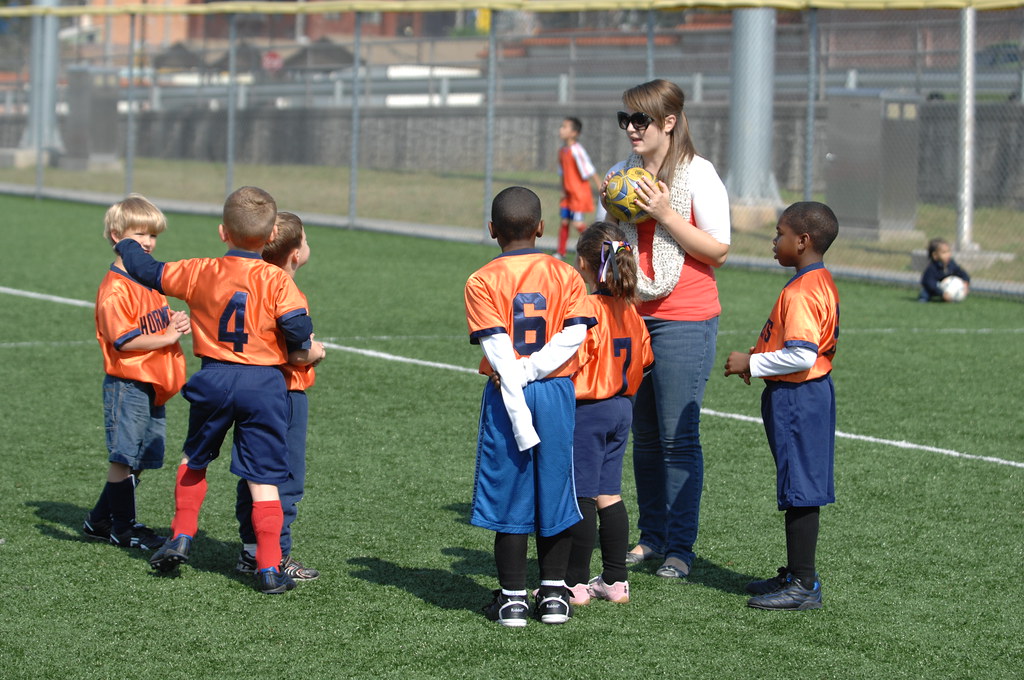
Shifting Focus: From Winning to Well-Being
In previous decades, youth sports programs often emphasized winning above all else. However, 2026 has seen a significant shift toward prioritizing the overall well-being of young athletes.
- Emotional Health: Coaches and parents are increasingly recognizing the importance of mental resilience. Programs now incorporate psychological training to help young athletes cope with pressure.
- Inclusivity: Many organizations focus on making sports accessible to all, regardless of ability or background. Adaptive sports initiatives are on the rise, ensuring that every child has the opportunity to participate.
- Skill Development: Emphasizing skill development over immediate results fosters a love for the sport and a healthier long-term approach to sports involvement.
Technological Integration: Enhancing Training and Communication
Technology plays a vital role in modern youth sports, providing tools that enhance training, communication, and overall experience.
- Wearable Technology: Devices that monitor heart rate and physical activity levels help coaches create customized training programs that cater to individual needs.
- Video Analysis: Coaches can use video footage to provide constructive feedback, allowing young athletes to improve their skills effectively.
- Online Platforms: Social media and dedicated apps allow teams to communicate more efficiently, manage schedules, and share highlights, creating a stronger community around youth sports.
Building Lifelong Skills Through Sports Participation
Youth sports are a powerful vehicle for instilling essential skills that benefit participants beyond the playing field.
- Teamwork: Young athletes learn to work with others, understand different roles, and collaborate towards a common goal.
- Leadership: Sports encourage children to take on leadership roles, whether as team captains or by motivating peers, fostering confidence and responsibility.
- Time Management: Balancing school, sports, and personal life teaches young athletes valuable time management skills crucial for their future.
Community Engagement: Strengthening Local Ties
The community plays a vital role in the success of youth sports programs. As we move forward in 2026, fostering strong local connections is essential.
- Volunteerism: Communities rally behind local teams, providing volunteers and resources to support young athletes.
- Sponsorships: Local businesses increasingly sponsor youth sports teams, helping to cover costs and provide uniforms, which builds a sense of pride and ownership within the community.
- Events and Tournaments: Organizing local tournaments helps bring families together while promoting healthy competition and camaraderie among young athletes.
The Road Ahead: Trends to Watch
As we look to the future, several trends are shaping the landscape of youth sports in 2026 and beyond:
- Focus on Mental Health: Expect a continued emphasis on mental health initiatives, with sports programs incorporating resources to support young athletes emotionally.
- Sustainable Practices: Environmental consciousness is growing, encouraging youth sports organizations to adopt eco-friendly practices, from recycling to sustainable facilities.
- Hybrid Models: The blending of in-person and virtual training sessions is becoming increasingly popular, allowing flexibility for young athletes and families.
Conclusion: A Bright Future for Youth Sports
The transformation of youth sports in 2026 reflects a deeper understanding of the role sports play in personal and community development. By prioritizing well-being, embracing technological advancements, and fostering community engagement, youth sports are set to empower the next generation, equipping them with the skills they need for their future endeavors both on and off the field.