The Universal Language of Sports
As of 2026, sports continue to serve as a powerful medium for cultural exchange and understanding across the globe. From grassroots initiatives to international competitions, the impact of sports transcends borders, fostering connections among diverse populations. This article explores the profound influence of sports on global cultures, exemplifying how athletic engagement can pave the way for tolerance, respect, and unity.
The Cultural Significance of Traditional Sports
Traditional sports, which are often deeply rooted in specific cultures, play a critical role in preserving heritage and promoting identity. In recent years, there has been a noticeable resurgence of interest in these traditional forms of play, leading to a greater appreciation for local customs.
Examples of Traditional Sports
- Sumo Wrestling (Japan): Celebrated for its rituals and rich history, sumo wrestling symbolizes Japanese culture and values. Competitions are not just athletic contests; they are cultural performances that connect participants and spectators alike.
- Kabaddi (India): This ancient sport, characterized by its unique gameplay that combines elements of wrestling and tag, is immensely popular in rural regions. Kabaddi not only provides entertainment but also fosters community spirit.
- Hurling (Ireland): Hurling is a fast-paced field game that has been played for centuries. As a national sport, it embodies Irish heritage and community involvement, especially during local and national championships.
Sports as a Catalyst for Social Change
Beyond preservation of culture, sports serve as a platform for advocating social justice and change. Athletes and organizations are increasingly using their visibility to promote important causes.
Prominent Movements
- Black Lives Matter: Athletes across various sports have engaged in advocacy for racial equality, using their platforms to raise awareness and inspire change.
- Gender Equality: The push for equal pay and opportunities in women’s sports has gained significant momentum, attracting attention from fans and media globally.
- Environmental Awareness: Many athletes are now actively promoting sustainability through initiatives aimed at reducing carbon footprints and encouraging eco-friendly practices within sports organizations.
The Role of Sports in Education
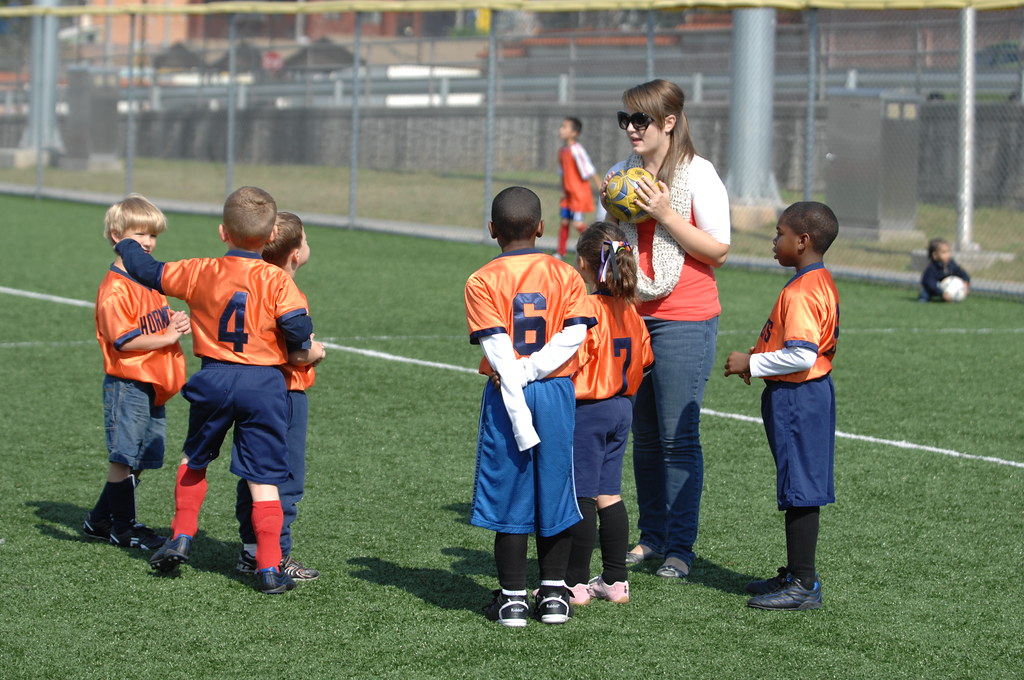
Sports education is a vital aspect of fostering cultural appreciation and social skills among youth. Sports programs in schools often emphasize teamwork, discipline, and respect, which are essential traits for global citizens.
Benefits of Sports in Education
- Developing Team Spirit: Engaging in team sports teaches students the importance of collaboration, leadership, and communication, which are transferable skills applicable in various real-world scenarios.
- Cultural Exchange: Schools that promote international sports initiatives offer students the chance to engage with peers from different cultures, enhancing global perspectives and mutual understanding.
- Fostering Inclusivity: Adaptive sports programs are expanding, allowing children with disabilities to participate, promoting inclusivity and breaking down barriers.
The Future of Sports and Cultural Integration
As we look toward the future, the role of sports in cultural integration will likely expand even further. The rise of global sporting events, such as the Olympics and World Cup, will continue to showcase the diversity of cultures and promote international camaraderie.
Potential Developments
- Increased International Collaboration: Programs that encourage collaborative efforts between nations through sports can lead to stronger diplomatic relationships and shared goals.
- Diversity in Leadership: The push for diverse representation in sports leadership can further enhance cultural understanding and collaboration, leading to innovative solutions in addressing social issues.
- Technological Advancements: The integration of technology in sports experiences offers new ways for fans and players to connect globally, breaking down geographic barriers.
Conclusion
In conclusion, the impact of sports on global cultures is profound and multifaceted. As we navigate through 2026, it is evident that sports continue to play an instrumental role in fostering cultural appreciation, advocating for social change, and shaping the future of international relations. By recognizing and nurturing the cultural significance of sports, we can enhance mutual understanding and celebrate the rich tapestry of human experiences.