The Importance of Community in Sports
As we progress into 2026, the impact of sports on community cohesion continues to be a vital topic. Sports have always been a shared experience that brings people together, transcending barriers of age, race, and gender. This article explores how sports contribute to building stronger community ties and enhancing social cohesion.
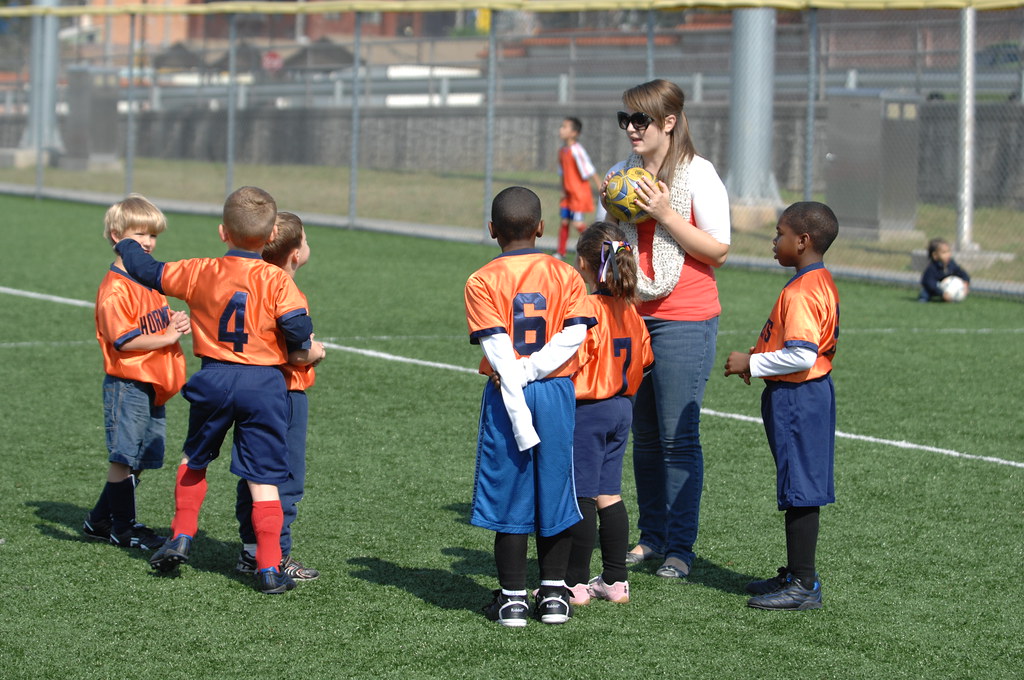
Community Sports Initiatives
Community sports initiatives are essential in fostering local engagement. These programs not only promote physical activity but also encourage social interaction and teamwork. Local governments and organizations have recognized the need for such initiatives, leading to a surge in community sports leagues and events.
Benefits of Community Sports Programs
- Increased Participation: Community sports programs offer accessible opportunities for individuals of all ages and skill levels to participate in physical activities.
- Social Integration: These programs often bring together diverse groups, promoting understanding and camaraderie among participants.
- Development of Life Skills: Engaging in sports teaches valuable skills such as leadership, communication, and teamwork.
- Health Benefits: Regular participation in sports can lead to improved physical and mental health for community members.
The Role of Local Sports Events
Local sports events, ranging from charity runs to regional championships, play a significant role in enhancing community spirit. These events not only provide entertainment but also bring people together for a common cause.
Impact on Local Economies
- Boosting Local Businesses: Sports events attract visitors, which can lead to increased sales for local restaurants, shops, and hotels.
- Community Pride: Successful hosting of sports events can enhance local pride and identity, motivating residents to engage more with their community.
- Volunteerism: Events often rely on local volunteers, creating a sense of ownership and participation among community members.
The Shift Towards Inclusivity in Sports
Inclusivity in sports has gained momentum over recent years, with many organizations striving to create environments where everyone feels welcome. As we move through 2026, the focus on inclusivity continues to evolve.
Adaptive Sports Initiatives
Adaptive sports programs have become increasingly popular, providing people with disabilities the opportunity to participate in athletic activities. These initiatives not only promote physical fitness but also empower individuals to overcome challenges and engage with their communities.
Women’s Participation in Sports
The conversation around women’s participation in sports has changed dramatically over the past few years. In 2026, there is a strong push for equal representation in both community sports and professional leagues, helping to inspire the next generation of female athletes.
The Digital Age and Community Sports
The rise of technology has significantly impacted community sports. From social media platforms that connect teams and fans to apps that facilitate scheduling and communication, technology is making community sports more accessible and engaging.
Benefits of Technology in Community Sports
- Increased Visibility: Teams and events gain broader visibility through social media, attracting more participants and spectators.
- Enhanced Communication: Technology facilitates better communication between coaches, players, and parents, leading to more cohesive teams.
- Data-Driven Decisions: Organizations can use data analytics to improve training, understand participation trends, and enhance overall experiences.
Engaging the Next Generation
Engaging youth in community sports is essential for ensuring the future health of these programs. Encouraging young people to participate fosters not only athletic skills but also a sense of belonging and community.
Innovative Approaches to Youth Engagement
- School Partnerships: Collaborations between schools and local sports organizations can provide students with more opportunities to engage in athletics.
- Role Models: Inviting local athletes to mentor and inspire youth can significantly impact participation rates.
- Camp Programs: Sports camps that focus on skill development can help engage young athletes during school breaks.
Conclusion: The Future of Community Sports
As we look ahead to the coming years, it is clear that the role of sports in strengthening community bonds will only grow. By prioritizing inclusivity, leveraging technology, and ensuring the engagement of younger generations, communities can create vibrant sports cultures that foster connections and promote well-being for all.