Introduction
As we move deeper into 2026, the landscape of sports participation is evolving rapidly. From grassroots levels to professional arenas, various factors influence how individuals engage with sports. This article delves into the changing dynamics of sports participation, exploring trends, challenges, and opportunities that define this exciting era.
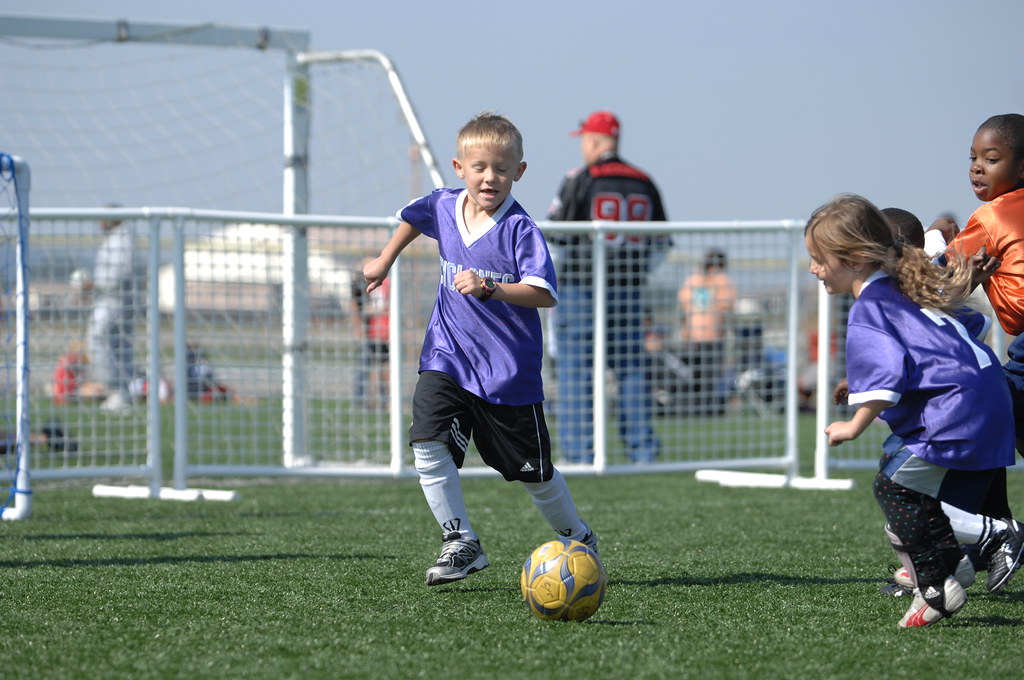
1. Demographic Shifts and Their Impact
One significant trend shaping sports participation is the changing demographics of athletes and fans alike. As society becomes more diverse, sports organizations are adapting to appeal to a broader audience. Factors such as age, ethnicity, and socio-economic status play a crucial role in shaping participation rates.
1.1 Engaging Diverse Communities
Engaging various communities requires tailored approaches:
- Language Accessibility: Providing materials and resources in multiple languages to encourage participation.
- Inclusive Programs: Designing programs that cater to different skill levels and interests.
- Community Partnerships: Collaborating with local organizations to reach underrepresented groups.
2. Technology’s Role in Sports Participation
The integration of technology in sports has transformed how individuals participate and engage with their favorite activities. From wearable devices to immersive virtual experiences, technology is at the forefront of increasing participation.
2.1 Wearable Technology
Wearable devices have become essential tools for athletes and fitness enthusiasts:
- Performance Tracking: Allowing users to monitor their progress and set achievable goals.
- Health Monitoring: Providing insights into physical well-being, encouraging a more active lifestyle.
2.2 Virtual Reality and Online Platforms
Virtual reality and online platforms have opened new avenues for participation:
- Remote Training: Athletes can train with coaches or peers from anywhere in the world.
- Esports Participation: Attracting younger audiences and expanding traditional sports fan bases.
3. The Rise of Alternative Sports
As traditional sports face competition for attention and participation, alternative sports are gaining popularity. Activities like parkour, ultimate frisbee, and rock climbing appeal to younger generations looking for unique and exciting experiences.
3.1 Benefits of Alternative Sports
Alternative sports offer various benefits that enhance participation:
- Community Building: Often centered around local communities, these sports foster strong social connections.
- Accessibility: Many alternative sports require minimal equipment, making them more accessible to wider audiences.
4. The Role of Mental Health Awareness
With increasing awareness of mental health, sports organizations are beginning to address the psychological aspects of participation. This trend emphasizes the importance of fostering a positive environment.
4.1 Promoting Mental Well-Being
Here’s how organizations are promoting mental health within sports:
- Workshops and Resources: Providing educational workshops for athletes on mental health topics.
- Support Networks: Establishing support systems for athletes dealing with mental challenges.
5. Environmental Sustainability in Sports Participation
As global awareness of environmental issues grows, many sports organizations are aligning their initiatives with sustainability efforts. This shift not only impacts the operations of sports but also encourages participants to think about their ecological footprint.
5.1 Eco-friendly Initiatives
Some eco-friendly initiatives enhancing participation include:
- Sustainable Gear: Encouraging the use of environmentally-friendly sports equipment.
- Green Events: Hosting events that prioritize sustainability, appealing to environmentally-conscious athletes.
6. Conclusion: Looking Ahead
As we navigate through 2026, the future of sports participation appears vibrant and full of possibilities. By embracing demographic shifts, harnessing technology, promoting mental health, and prioritizing sustainability, the sports industry is set to foster an inclusive environment for all. Whether you’re a seasoned athlete or a newcomer, there’s never been a better time to engage with sports in a way that reflects the changing world around us.